Tools for Art Professionals
Origins
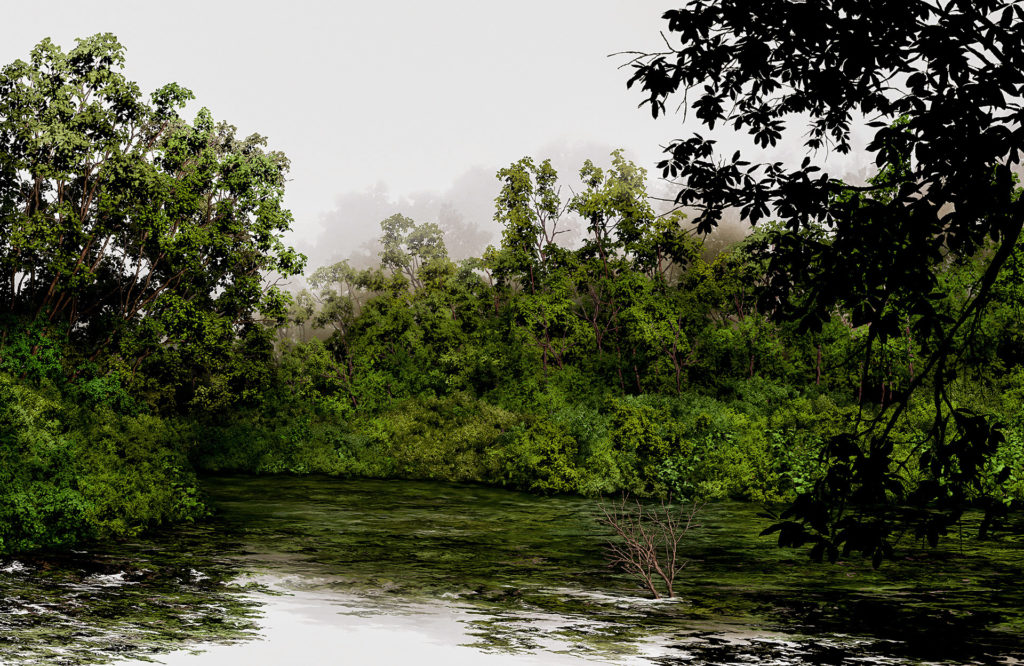
DigArts Software began in the early 1990s from a simple idea: the natural world looks complex, but its forms are patterned. My graduate work on pattern recognition, plus a deep grounding in landscape painting (Moran, Church, and the Hudson River School), led to a practical question: could digital paint media respect nature’s rules rather than fake them?
The Idea
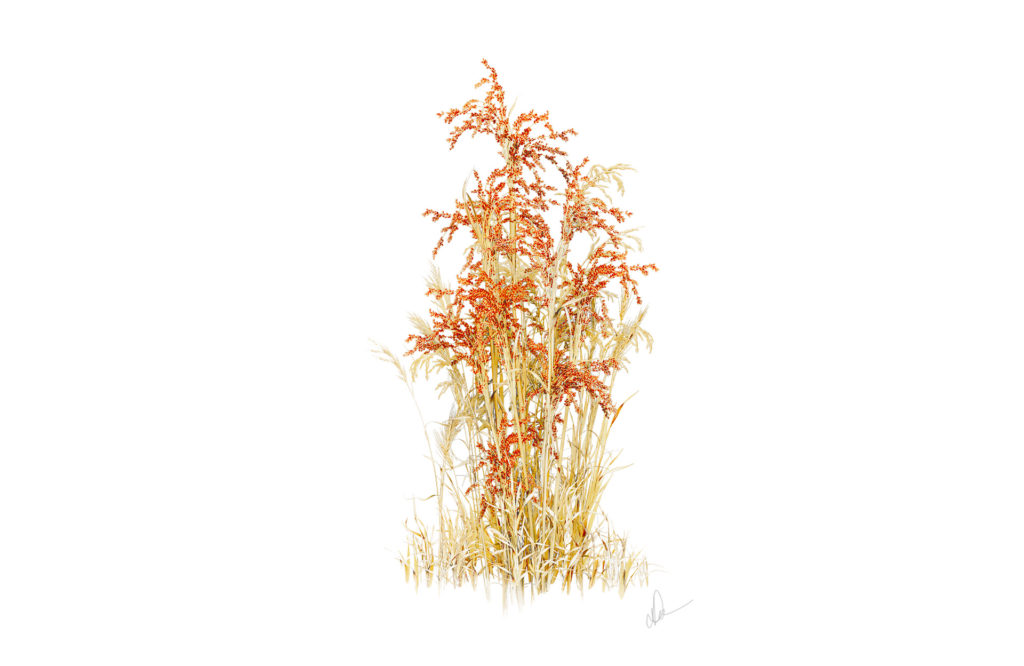
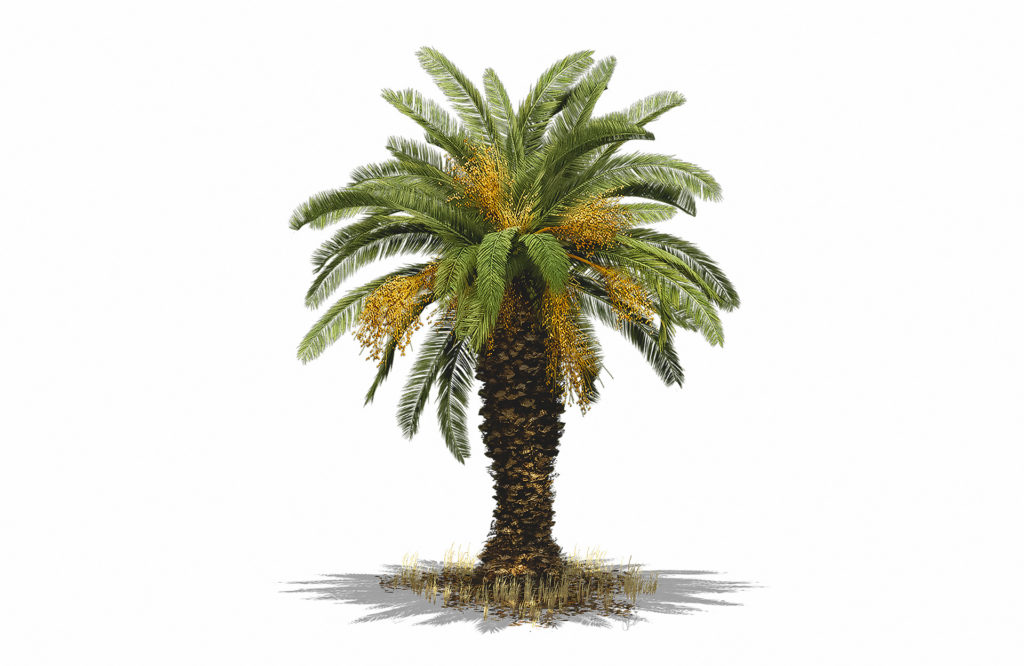
To treat leaves, flowers, bark, and other natural forms as structured data—coordinated image arrays organized by species rules, growth habits, and scale. Instead of a single color-based brush, each “paint” was a small database: 40+ crafted elements with metadata about clustering, orientation, and variation. Strokes became instructions; media handled the botanical logic. In total, the palette grew to over 3,000 botanical paint databases. Moreover, the paints were coherent, coordinated, and flexible. Artists could use the paints to generate custom derivative paint sets depicting environmental growth patterns, seasonal variations, and inter-species relationships.
How It Worked
1. Coordinated arrays drove brush output (“painting with paintings”).
2. Controlled variation prevented repetition while preserving species identity.
3. True alpha transparency enabled natural edges and layering.
4. Real-time scaling kept detail from leaf to forest canopy.
5. Modular sets combined across scales, species, and seasons without seams.
Impact
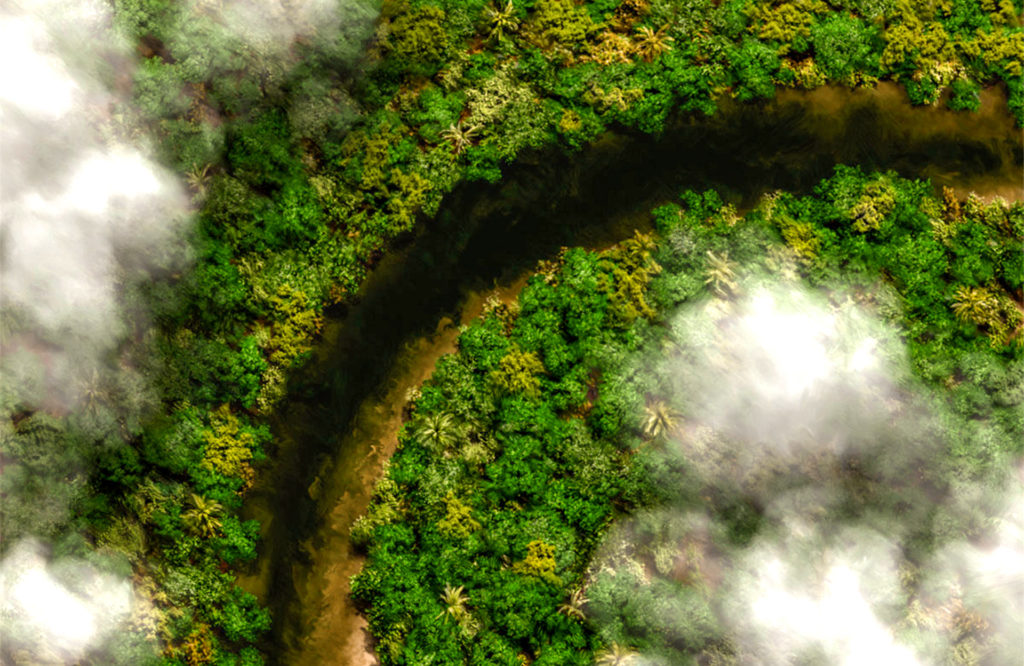
Initially licensed to Fractal Design Painter (1995), subsequent independent releases were featured in EFX Art & Design (“Digital Hero: Dennis Berkla & The Magic Image Hose Nozzles”), Painter Studio Secrets, The KPT Bryce Book, and educational media such as NASA’s “How Big Is Our Universe.” A federal court of appeals decision arising from corporate fraud and infringement of DigArts’ work was among the earliest to affirm originality and intellectual property rights in database-driven digital media.
For over 25 years, artists in architecture, film, games, illustration, advertising, and fine art used these paints to compose natural environments in minutes instead of days—without giving up expressive control.
Today
While DigArts no longer develops products, the legacy collections remain available for Painter and as layered assets in Photoshop; GIMP users can port the databases as image pipes. The sets are offered under the Creative Commons Attribution-NonCommercial 4.0 International (CC BY-NC 4.0) license. This site serves as a record and a resource—a small chapter in the evolution of digital paint metaphors for natural form.